
 Online Booking
China Grants Zero Tariffs to 53 African Countries, Unlocking New Opportunities for China-Africa Logistics and Automotive Trade
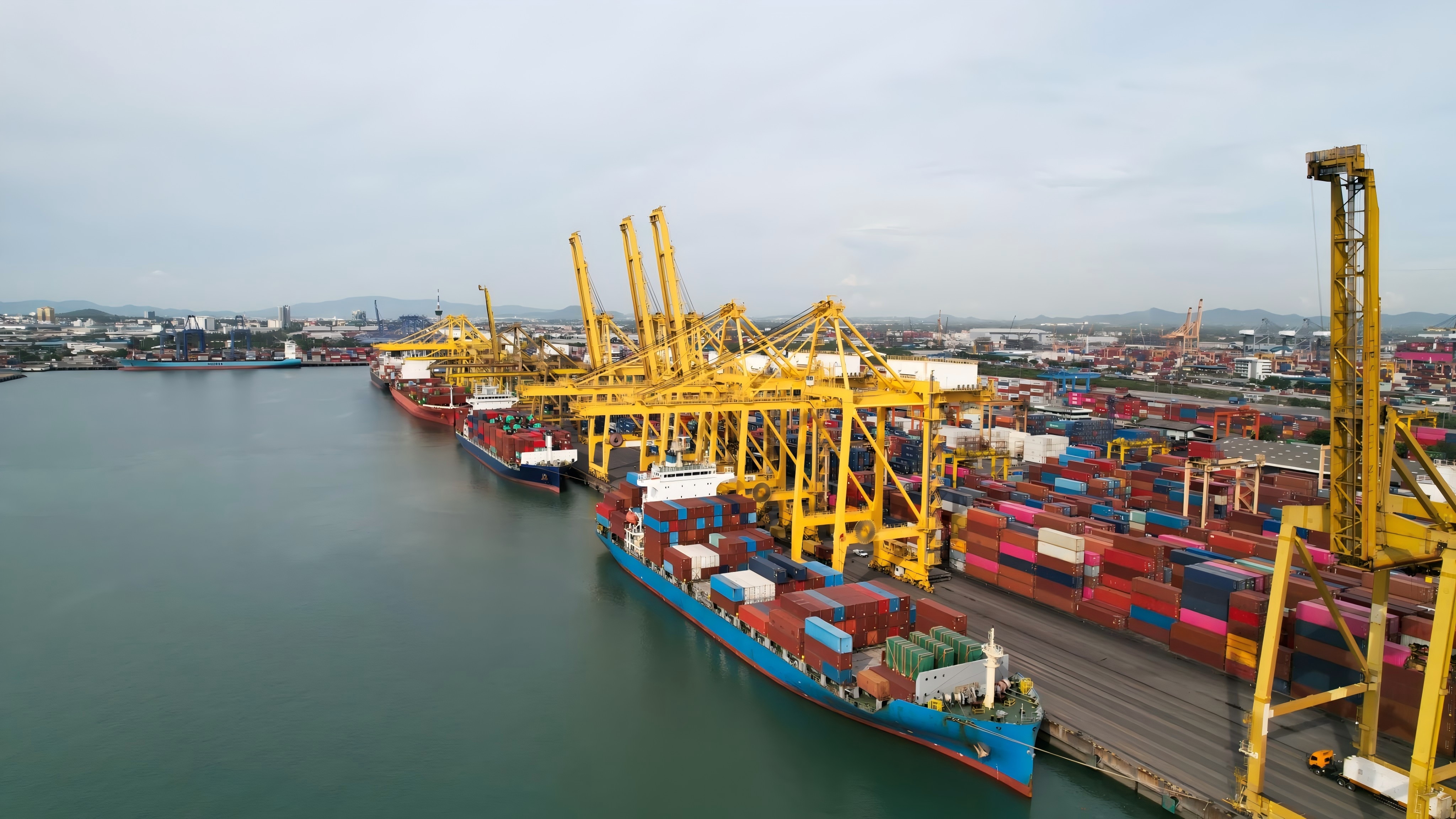
Zero-Tariff Policy Officially Takes Effect
Starting from May 1, 2026, China officially implemented a zero-tariff preferential policy for 53 African countries that maintain diplomatic relations with China. Covering a wide range of products and industries, the policy is regarded as a major step toward strengthening China-Africa economic and trade cooperation.
Under the policy, qualified African products can enter the Chinese market tariff-free, further promoting exports of agricultural products, mineral resources, and specialty goods from African countries to China, while expanding bilateral trade volumes.
As trade activities between China and Africa continue to grow, demand for international logistics, port transportation, supply chain services, and cross-border warehousing is also expected to increase, creating new growth opportunities for the logistics industry.
Growth in China-Africa Trade Will Drive Demand for International Logistics
In recent years, China-Africa economic and trade cooperation has continued to deepen, with China remaining one of Africa’s most important trading partners for many consecutive years.
With the official implementation of the zero-tariff policy, African countries are expected to further enhance export capacity and market activity, while bilateral trade volumes continue to expand. Increased cargo movement will also drive demand for ocean freight, RoRo shipping, container transportation, and port logistics services.
Particularly in the transportation of vehicles, engineering equipment, machinery, and bulk cargo, there will be higher demand for stable and efficient international logistics solutions.
New Opportunities Emerging in the China-Africa Automotive Logistics Market
Africa, as one of the world’s major emerging markets with a population exceeding 1.4 billion, continues to experience growing demand in the automotive sector.
Driven by infrastructure development, industrialization, and urbanization, demand for passenger vehicles, commercial vehicles, pickup trucks, and engineering vehicles is expanding across the region, and China’s vehicle exports are expected to grow further.
Against this backdrop, demand for automotive logistics services—including RoRo shipping, container transportation, port transshipment, overseas customs clearance, and destination delivery—is also expected to increase significantly.
Strengthening China-Africa Supply Chain and Logistics Cooperation
Following the implementation of the zero-tariff policy, cargo circulation efficiency and supply chain coordination between China and Africa will become increasingly important.
Stable international shipping routes, efficient port operations, experienced customs clearance systems, and localized logistics service networks will serve as key foundations for companies expanding into African markets.
At the same time, as the trade structure between China and Africa continues to evolve, logistics companies will gain further opportunities in cross-border supply chain management, warehousing, distribution, and integrated logistics services.
Continuing to Focus on Opportunities in the African Market
Looking ahead, as China-Africa cooperation continues to deepen, the African market will play an increasingly important role in international trade, logistics transportation, and supply chain collaboration.
TPL will continue to monitor relevant policy developments, actively seize opportunities in the China-Africa trade and logistics market, and further strengthen its international logistics, RoRo shipping, and global supply chain service capabilities to provide customers with more stable, efficient, and secure transportation solutions worldwide.