 Online Booking
U.S. Customs Expands 9H Hold Enforcement as Importer Compliance Tightens
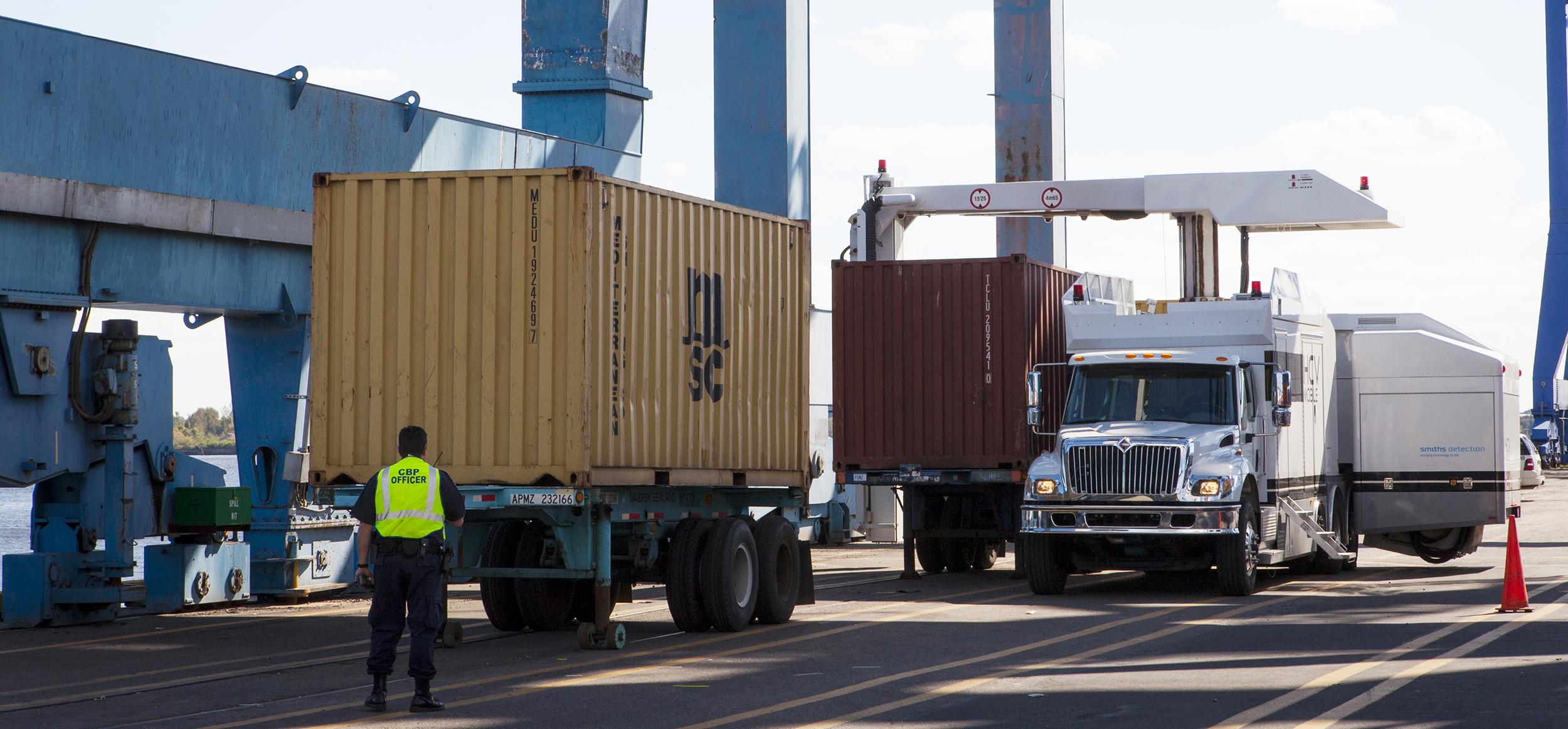
Recently, U.S. Customs and Border Protection (CBP) has further strengthened its importer verification framework within the Automated Commercial Environment (ACE) system. The 9H Hold (Invalid Consignee Hold) has been increasingly triggered across multiple import entries, indicating a continued shift in enforcement focus from cargo-level inspection to importer-level compliance verification.
The mechanism is designed to validate the legitimacy of importers and consignees at the pre-clearance stage as part of CBP’s automated risk screening process.
01 | Definition of the 9H Hold Mechanism
The 9H Hold (Invalid Consignee Hold) is an automated detention status triggered through CBP’s ACE system.
When the system identifies that consignee information cannot be validated or does not meet import eligibility requirements, the shipment is placed on hold and the clearance process is suspended.
Key validation areas include:
· Authenticity of importer of record (IOR) / consignee registration
· Verifiability of U.S. business address and entity information
· Evidence of ongoing and legitimate import activity
· Consistency between historical and current declaration data
· Data alignment across AMS, ISF, bill of lading, and commercial documents
This process is fully system-driven and does not involve physical inspection of goods.
02 | Differences Between 9H and 5H Holds
2.1 Scope of Review
· 5H Hold: Cargo-level compliance (product description, declared value, HS code classification)
· 9H Hold: Importer-level verification (legitimacy of consignee / IOR)
2.2 Risk Logic
· 5H: Triggered by shipment-specific risk indicators
· 9H: Triggered by importer behavior patterns and cross-system data inconsistencies
2.3 Execution Method
· 5H: May involve manual review or physical inspection
· 9H: Fully automated system decision, no cargo inspection involved
2.4 Impact Level
· 5H: Affects clearance efficiency
· 9H: May prevent the clearance process from initiating
03 | Operational Impact of the 9H Hold
3.1 Clearance Suspension
Shipments subject to a 9H Hold are blocked at the system level and cannot proceed to clearance or release procedures.
3.2 Increased Holding Costs
While the hold remains active, storage, demurrage, and related operational charges continue to accumulate, independent of processing timelines.
3.3 Delayed Notification Flow
Hold notifications are typically transmitted first to customs brokers or freight forwarders, which may result in delayed visibility for cargo owners.
3.4 Risk of Extended Storage or Return
If importer eligibility cannot be validated or corrected, shipments may face extended storage or be subject to return procedures.
04 | Key Risk Triggers
4.1 Importer Entity Risks
· Shell companies or non-operational entities used as IOR
· Shared or borrowed importer credentials
· Unverifiable consignee information within U.S. systems
4.2 Data Consistency Risks
· Mismatches between AMS, ISF, and bill of lading data
· Discrepancies in commercial invoice and declaration records
· Inconsistent information across multiple filing systems
4.3 Declaration Behavior Risks
· Sustained undervaluation of goods
· Irregular or frequently changing HS code classification
· Significant deviation from historical declaration patterns
05 | Regulatory Trend and Compliance Shift
The U.S. customs enforcement framework is showing a clear structural shift:
· Risk focus is expanding from cargo-level to importer-level compliance
· Manual inspections are being replaced by automated system-based screening
· Data consistency across systems has become a key compliance requirement
· Importer eligibility checks are increasingly performed at the pre-clearance stage
Under this trend, customs compliance is evolving from a shipment-level requirement into a structural entry condition for international trade operations.
Conclusion
The continued enforcement of the 9H Hold mechanism reflects CBP’s ongoing efforts to strengthen systematic verification of importer legitimacy and data consistency. Customs risk management is increasingly shifting from isolated shipment control to end-to-end compliance governance.
In the U.S. trade lane and customs clearance sector, TPL specializes in U.S. shipping routes and customs clearance operations, providing stable execution and compliance-oriented logistics support for cross-border shipments.