
 Online Booking
U.S. Section 232 Tariff Update: Shift to Full-Value Taxation and Tiered Structure
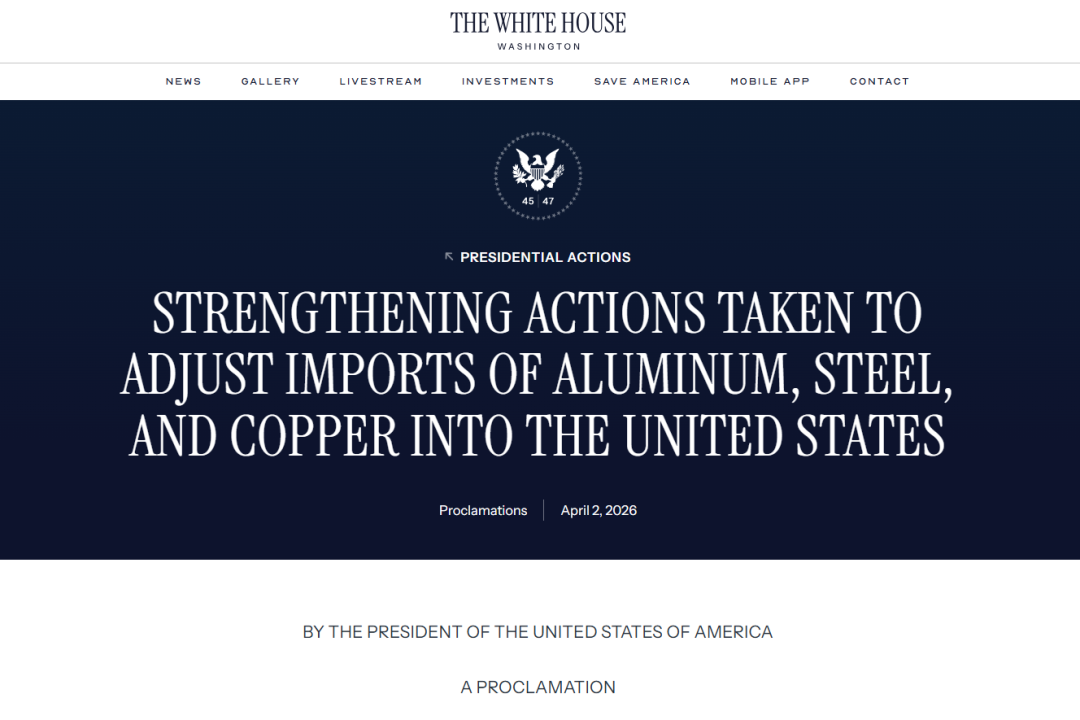
The U.S. has introduced a major update to its Section 232 tariffs on steel, aluminum, and copper products. According to the latest HTSUS revisions, the new framework takes effect at 00:01 AM (ET), April 6, 2026.
While maintaining high tariff protection on base metals, the policy fundamentally restructures how tariffs are calculated and applied. Rather than a simple rate adjustment, this update expands the tax base and introduces a tiered system based on metal content.
1. Taxation Method: Shift to Full Value
The most significant change is the move from taxing only the metal portion to taxing the total transaction value of the product.
· Tariffs now apply to the full value paid by the importer
· Non-metal components are no longer excluded
· Reducing declared metal content is no longer an effective way to lower duties
This change significantly impacts composite goods such as appliances, furniture, and machinery.
2. Tariff Structure: From Flat Rates to Tiered System
The revised framework introduces a differentiated tariff structure, separating base metals from manufactured products and applying rates based on material composition.
(1) Base Metal Products – 50% (Unchanged)
· Steel and steel articles (HS Chapters 72–73)
· Aluminum and aluminum articles (HS Chapter 76)
· Copper and copper articles (HS Chapter 74)
All continue to face a 50% tariff (excluding the UK).
(2) Manufactured Products – Based on Metal Content
|
Metal Content (Steel/Aluminum/Copper) |
Tariff |
|
Below 15% |
0% |
|
≥ 15% |
25% |
· Applies to products outside HS Chapters 72, 73, 74, and 76
· Calculated based on total weight share of metals
Although the rate drops to 25%, the shift to full-value taxation means actual duty costs often remain elevated.
(3) Transitional Rate for Certain Equipment
· Steel production equipment, power infrastructure, etc.
· 15% until Dec 31, 2027
· 25% from Jan 1, 2028
(4) Special Rate: U.S.-Origin Metal Inputs
Products manufactured overseas but made entirely from U.S.-origin steel, aluminum, or copper may qualify for a 10% tariff rate.
3. Scope Adjustment
Some products are now excluded from Section 232 tariffs, including:
· Selected consumer goods
· Daily-use items
· Certain industrial products
This narrows the focus to core metal-related sectors.
4. Market Impact
The updated framework is expected to reshape cost structures, tighten compliance requirements, and influence supply chain decisions.
(1) Cost Impact
Despite lower nominal rates (50% → 25%) for some products, the expanded tax base means total duty costs often increase.
Industries most affected include:
· Home appliances
· Furniture
· Auto parts
· Machinery
Cost evaluation is shifting from material-based to full product value-based.
(2) Compliance Impact
Customs scrutiny is becoming more structure-focused. Key requirements include:
· Verifiable metal content calculations
· Consistency between material composition and declarations
· Accurate HS classification
(3) Supply Chain Impact
Companies may need to adjust:
· Product design (reduce metal content)
· Sourcing strategies
· Manufacturing and export routes
5. Practical Implications & Recommendations
The policy changes directly affect pricing, compliance, and supply chain decisions, requiring companies to reassess their operational approach.
(1) Pricing & Costing
· Rework DDP pricing models based on full-value taxation
· Apply differentiated pricing by metal content
(2) Compliance Management
· Confirm HS code, material composition, and metal ratio at the inquiry stage
· Conduct pre-shipment classification and material verification
· Ensure consistency between product data and declarations
(3) Strategy Adjustment
· Leverage duty-free advantage for products below 15% metal content
· Reassess pricing and margins for products ≥15%
· Carefully evaluate exposure for base metal shipments under 50% tariffs
Conclusion
This update marks a shift from material-based tariffs to structure-based regulation. As rules become more detailed, competitiveness in the U.S. market will increasingly depend on compliance capability and supply chain design, rather than price alone.
TPL Supply Chain will continue to monitor U.S. tariff and customs developments, supporting clients with cost assessment and compliant shipping solutions.