 Online Booking
U.S. 5H Inspections Intensify: Compliance Tightens for U.S. Imports
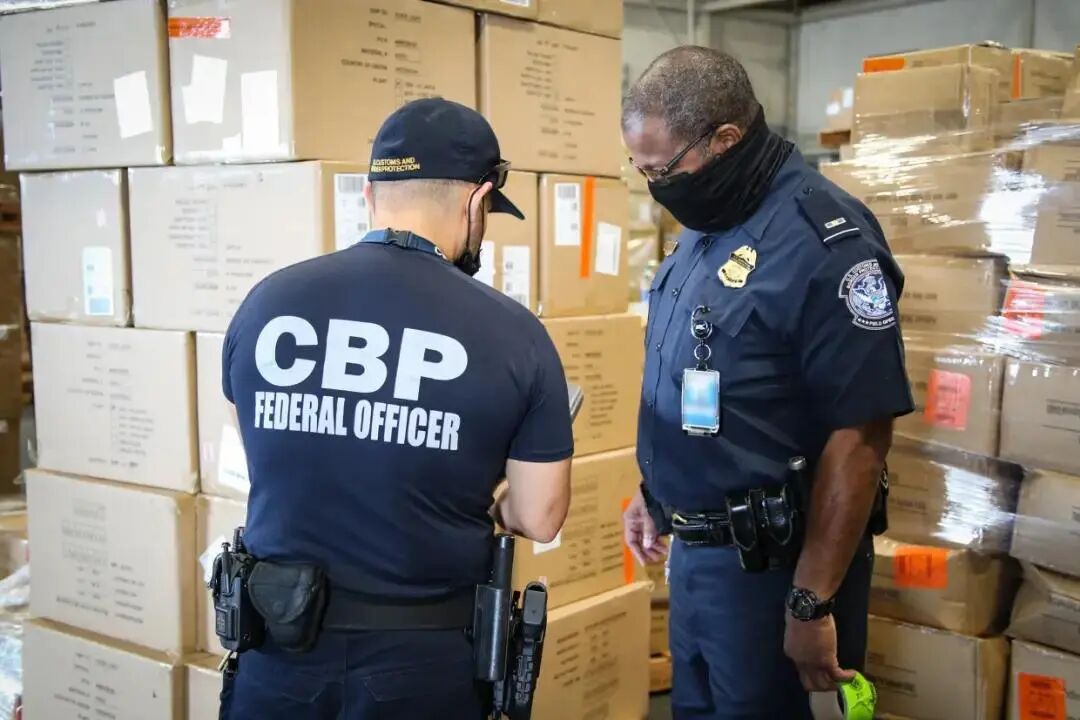
A recent Bloomberg report suggests a tariff gap of up to USD 112 billion between China–U.S. trade statistics. U.S. regulators have identified cases where imports avoided duties through undervaluation, misclassification, or shell importers.
In response, U.S. Customs and Border Protection (CBP) has strengthened oversight of import documentation. The recent surge in 5H inspections (Entry Processing HOLD) is widely seen as a data-driven enforcement effort targeting potential tariff leakage.
As scrutiny increases, 5H inspections are becoming a more routine part of U.S. import supervision, with growing implications for cross-border logistics.
1. Inspection mechanism
A 5H hold is issued through the AMS / ACE system to review discrepancies in import documentation.
Unlike traditional inspections, 5H follows a “documents-first” review process.
Typical process:
Cargo arrival
↓
ACE risk screening
• 5I → automatic release
• 5H → document review
↓
Fast Doc Review by CBP
Possible outcomes:
• Release
• Additional duties
• Physical inspection
• Return or destruction
The review focuses on documentation consistency and transaction authenticity, including contracts, invoices, shipping documents, and importer credentials.
2. Regulatory Tightening
Following the 2025 upgrade of the ACE (Automated Commercial Environment) system, CBP has significantly improved its ability to detect trade risks through data analysis.
Current enforcement increasingly focuses on:
• Undervalued cargo declarations
• Incorrect HS classifications
• Non-genuine importer entities
• Incomplete importer authorization chains
CBP is also strengthening enforcement against “borrowed bond” customs clearance.
Effective March 1, 2026, under 19 U.S.C. §1484(a)(2)(B):
• The importer must be the actual owner or purchaser
• The Importer of Record (IOR)must be a legitimate business entity
• Shared or shell-company bonds are prohibited
Non-compliant shipments may be denied entry and returned.
3. Inspection volume rising
Industry feedback shows a sharp rise in 5H inspections since February 2026.
Key estimates:
• Around 3,800 China-origin containerswere flagged in February
• 4–5 times higher than January levels
• Close to 10% of China–U.S. container exports
Inspection activity is concentrated at major ports:
|
Port |
Share of Inspections |
Notes |
|
Los Angeles / Long Beach |
60%+ |
Largest U.S. import gateway |
|
Seattle / Tacoma |
10–15% |
Major e-commerce entry point |
|
New York / New Jersey |
~10% |
Core East Coast hub |
Most inspections involve high-volume consumer exports such as furniture, electronics, textiles, toys, and hardware products.
4. Logistics Impact
The increase in inspections has extended cargo processing times.
|
Indicator |
2025 Average |
Early 2026 |
|
Document review |
2–3 days |
5–7 days |
|
Overall inspection cycle |
7–10 days |
20–30 days |
|
Extreme cases |
10–15 days |
Up to 30 days |
Shipments involving agencies such as FDA or CPSC may face even longer reviews.
Under CBP procedures, cargo that cannot complete the review process within 30 days may be denied entry and required to be returned or destroyed.
Longer inspection cycles are increasingly affecting broader logistics operations, including drayage scheduling, overseas warehouse replenishment, and inventory planning.
5. Cost Pressure
When a shipment is flagged for 5H inspection, additional costs may include:
• Inspection and handling fees
• CES transfer charges
• Port storage and demurrage
Industry estimates suggest USD 2,000–6,000 per container, with forced returns potentially causing 30–50% cargo value losses.
6. Compliance Response
As inspection frequency rises, exporters are strengthening pre-shipment documentation checks and compliance controls.
Higher-risk products such as electronics, children’s goods, and battery-related items often require more detailed compliance documentation. Companies are also building larger time buffers into inventory planning to account for possible inspection delays.
7. Industry outlook
Recent developments indicate that U.S. import oversight is entering a phase of greater transparency and stricter compliance.
Going forward, success in the U.S. trade lane will depend less on price alone and more on compliance readiness and supply chain stability.
TPL Supply Chain Management continues to monitor regulatory developments and supports clients in maintaining stable and compliant supply chains.