
 Online Booking
Iran Plans New Gulf Shipping “Restricted Zone” as Hormuz Transit Rules Face Further Uncertainty
New shipping corridor with Oman expected to be signed as Hormuz vessel traffic falls to around 10 commodity ships per day
New developments around the Strait of Hormuz emerged on September 7, with Iran announcing plans to introduce a new maritime “restricted zone” in the Gulf and unveil new shipping routes through the Strait.
For vehicle shipments requiring access to ports inside the Persian Gulf, route planning, carrier acceptance, insurance conditions and vessel schedules remain highly uncertain.
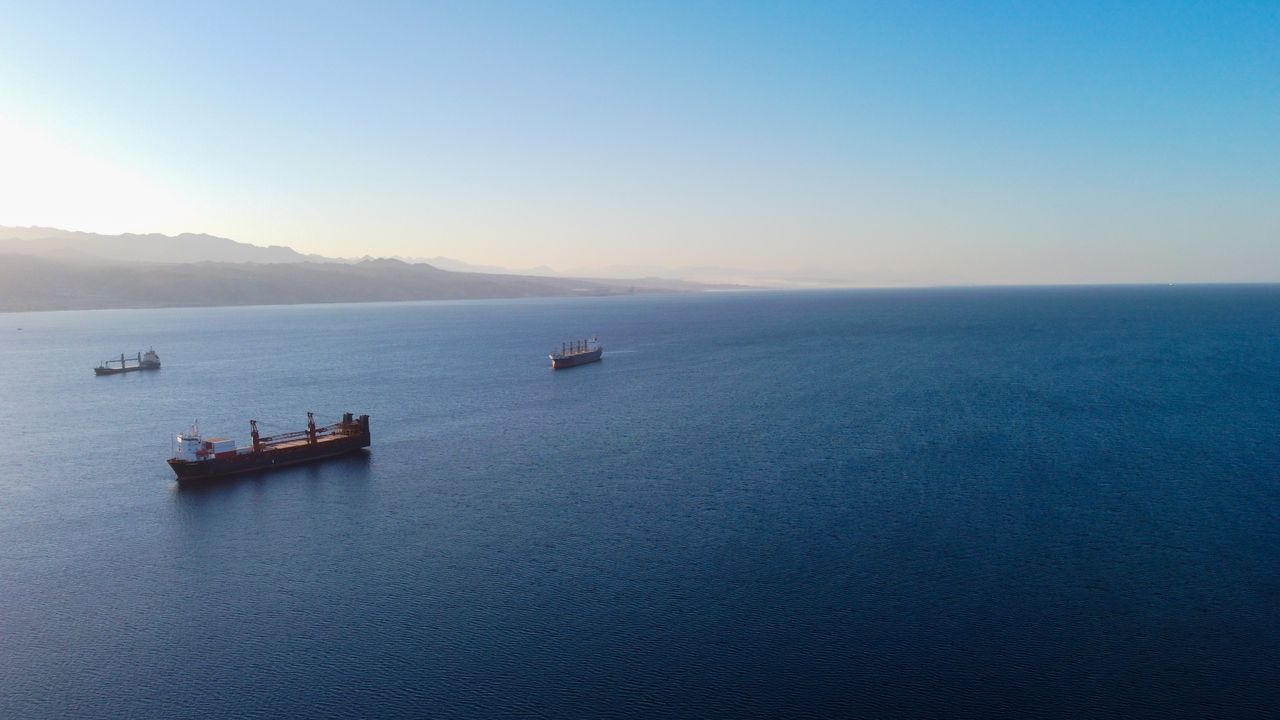
Iran Plans New Maritime Restricted Zone
According to Reuters, Mohsen Rezaei, Secretary of Iran’s Supreme National Security Council, said the new restricted zone would begin from the area where the U.S. blockade of Iran starts and extend into parts of the Gulf.
Detailed boundaries and enforcement measures have not yet been announced. Iran said vessels entering the proposed restricted area would be added to its sanctions list.
Iran also said it had agreed with Oman on maps for a new international shipping corridor through Iranian and Omani waters, with the agreement expected to be signed in the coming days. Details of the operating and management rules have yet to be clarified.
Hormuz Vessel Traffic Remains Limited
Commercial shipping through the Strait has not yet shown a clear return to normal operations.
Kpler data cited by Reuters showed that an average of only around 10 commodity vessels per day transited the Strait over the past 10 days, the lowest level since May. Recent exchanges of attacks involving vessels in the region have added further uncertainty for commercial shipping.
The continued reduction in vessel traffic means carriers and shipowners are still assessing security conditions, transit requirements and insurance exposure before committing vessels to Gulf routes.
Practical Shipping Rules Remain the Key Issue
For commercial shipping, the effectiveness of any new Hormuz agreement will depend on whether it creates rules that carriers, shipowners and insurers can actually follow.
Previous proposals involving Iran and Oman have faced operational challenges related to U.S. sanctions, proposed transit charges and war-risk insurance clauses. Certain insurance provisions may also affect coverage where transit-related payments are involved.
As a result, the signing of new shipping maps alone would not necessarily mean an immediate return to normal commercial traffic.
Vehicle Exporters Should Continue to Verify Gulf Routes
For vehicle shipments entering the Persian Gulf through Hormuz, exporters should continue monitoring:
- - carrier booking acceptance;
- - actual port calls and routing;
- - war-risk premiums and surcharges;
- - transshipment and destination-port operations;
- - dangerous-goods requirements for NEVs.
Original vessel schedules should therefore be treated cautiously. Exporters are advised to reconfirm routing and carrier conditions before booking and allow sufficient time for potential delays, port changes or alternative shipping arrangements.
TPL continues to monitor developments in the Strait of Hormuz, Middle East ports and the global vehicle shipping market, providing vehicle transportation solutions, loading planning, booking coordination and export logistics support based on the latest shipping conditions.