
 Online Booking
Shanghai and Ningbo Ports Remain Under Pressure as Delays and Gate Restrictions Continue
In late August, two of East China’s major gateways — Shanghai and Ningbo — continue to face operational pressure.Following recent typhoon disruptions, Shanghai Port is still working through vessel and container backlogs, while carriers continue to adjust port calls and sailing schedules. Meanwhile, according to the latest terminal operational notice, all Ningbo terminals suspended pre-gate-in operations from 11:00 a.m. on August 20, with the resumption time yet to be announced.
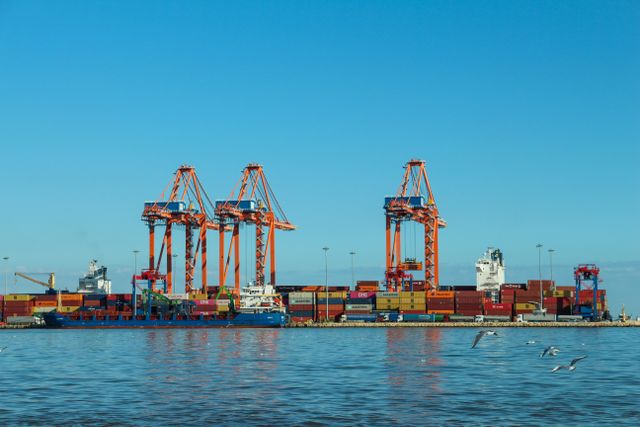
Shippers moving cargo through East China should closely monitor terminal gate-in policies, the latest carrier schedules, and possible changes involving delays, port omissions or cargo rebooking.
Shanghai Port Continues to Clear Backlogs
Recent typhoon conditions disrupted port operations along the East China coast, creating significant vessel and container backlogs at Shanghai Port.
Although operations have resumed, the accumulated backlog is still being cleared. Vessel queues, yard operations and trucking capacity have not yet fully returned to normal conditions.
Into late August, carriers continue to adjust Shanghai-related sailings. Some services have experienced delayed departures, port omissions and cargo rerouting, indicating that schedule reliability remains under pressure.
Carriers Adjust Port Calls to Manage Delays
To limit the impact of congestion on wider service rotations, some carriers have responded by omitting port calls, changing port sequences and rerouting cargo.
Maersk has recently confirmed that selected sailings would omit their originally scheduled Shanghai calls, requiring affected import and export cargo to be rearranged. ONE has also issued several notices covering delayed departures and schedule changes involving Shanghai.
For exporters, such adjustments may affect not only the original ETD but also transshipment connections and total transit time. Rebooking, storage and additional transshipment costs may also arise depending on the shipment.
Ningbo Suspends Pre-Gate-In Operations
Operational restrictions are also affecting Ningbo Port.
According to the latest terminal notice, all Ningbo terminals suspended pre-gate-in operations from 11:00 a.m. on August 20, with no confirmed resumption time yet announced.
A suspension of pre-gate-in operations does not mean the port has completely stopped working. However, it may directly affect export containers that were scheduled to enter the terminal before the official CY opening, creating changes to container loading, return and yard arrangements.
Shippers using Ningbo should therefore reconfirm the CY opening time, gate-in status, cut-off time and latest vessel schedule before arranging container loading and terminal delivery.
East China Export Planning Requires Greater Flexibility
With Shanghai experiencing continued schedule disruption and Ningbo facing pre-gate-in restrictions, simply shifting cargo from Shanghai to Ningbo may no longer be an effective solution in every case.
For time-sensitive shipments, exporters should review several factors based on real-time conditions:
- Latest ETD and actual CY opening time
- Terminal gate-in and pre-gate-in policies
- Vessel call and port omission changes
- Space availability and cut-off times
- Rebooking or transshipment arrangements
- Delivery requirements at destination
For cargo that has been booked but not yet loaded, schedules should be reconfirmed before container loading. For containers already packed, special attention should be paid to terminal return, yard and gate-in arrangements.
Additional Flexibility Is Recommended for Near-Term Shipments
Shanghai and Ningbo remain in a period of operational adjustment, and full schedule recovery may still take time.
For upcoming shipments, exporters are advised to confirm the latest transportation plan with carriers, freight forwarders and overseas consignees, while allowing sufficient buffer for possible delayed departures, port omissions, rebooking and transshipment changes.
For urgent cargo, available options should be assessed based on real-time vessel space, terminal conditions and destination requirements rather than relying only on the original sailing schedule.
TPL will continue to monitor operational developments at Shanghai, Ningbo and other major East China ports, as well as carrier schedule changes, to provide customers with timely shipping information and more flexible transportation solutions.