
 Online Booking
Strait of Hormuz Continues to Impact Middle East Shipping as UAE EV Supply Chain Faces Ongoing Challenges
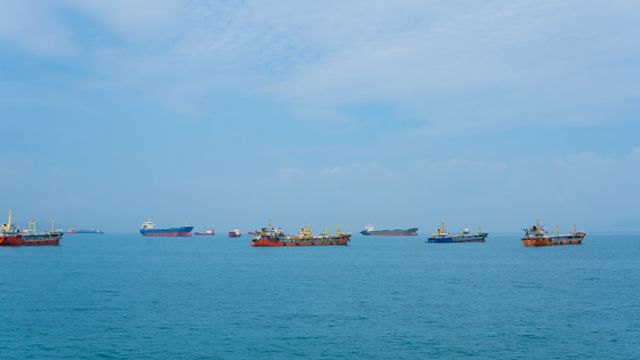
Middle East Shipping Market Remains Cautious
Although shipping services have gradually resumed, most carriers continue to closely monitor security conditions around the Strait of Hormuz and adjust routing strategies based on the evolving situation.
Current market conditions include:
- Continued application of war risk surcharges (WRS);
- Ongoing route and port rotation adjustments;
- Uncertainty surrounding schedule reliability;
- Freight costs remaining above pre-conflict levels on some trade lanes.
Businesses exporting to the UAE, Saudi Arabia, Oman, Qatar, Kuwait, and other Gulf markets are advised to maintain flexible shipping plans and closely follow carrier operational updates.
UAE EV Supply Chain Feels the Impact
As demand for electric vehicles continues to grow across the UAE, delivery lead times for certain brands have recently increased.

Industry observers attribute the delays not only to strong consumer demand, but also to slower logistics recovery, higher transportation costs, and ongoing adjustments to shipping schedules.
For an import-dependent vehicle market, efficient international logistics play a critical role in replenishing dealer inventories and maintaining stable vehicle availability.
What Does This Mean for Vehicle Exporters?
For companies exporting vehicles from China to the Middle East, transportation planning has become increasingly important.
Recommended actions include:
- Secure vessel space and sailing schedules as early as possible;
- Monitor carrier operational updates regularly;
- Allow additional time for transportation and customs clearance;
- Develop flexible logistics plans based on destination port conditions.
For EV exporters in particular, proactive shipment planning can help reduce the impact of schedule changes, route adjustments, and supply chain disruptions.
Outlook
As regional developments continue to evolve, the Strait of Hormuz is expected to remain a critical factor influencing Middle East shipping.
Freight rates, transit times, and logistics costs may continue to fluctuate in the short term. While supply chain conditions are expected to gradually improve as shipping networks stabilize, exporters are encouraged to monitor market developments closely and plan shipments proactively to ensure reliable vehicle deliveries.